

Key 2025 State Law Changes Explained
In recent years, there’s been a huge increase in the number of digital products and services available. It’s now simpler than ever to create an app or launch an online platform, and the demand for digital goods and tools has risen exponentially.
But how does this affect your business when it comes to sales tax? Are your digital sales now taxable? In this article, we’ll look at some of the key state-level changes business owners should know about as of November 2025.
Digital Product Classification
Before diving into the new sales tax laws, it’s vital to correctly classify your digital goods or services. To make things complex, each state has different rules for determining whether a product is taxable. Here are the four main categories:
| Category | Examples | Common Tax Treatment |
| Digital Goods | eBooks, music downloads, digital art, PDFs, video-on-demand purchases | Taxable in most states that tax tangible personal property equivalents |
| Digital Services | SaaS, cloud storage, subscription platforms, digital marketing tools | Increasingly taxable (e.g., MD, WA, TX, NY) |
| Streaming / Access-Based | Netflix, Spotify, gaming passes | Almost always taxable where digital goods are |
| Data / Infrastructure Services | Web hosting, analytics, IT management | Rapidly emerging category (MD, WA, possibly VA next) |
Sales Tax Nexus for Digital Goods: Register Only When You Have To
Sales tax nexus means a business has a sufficient connection with a state that legally requires it to collect and remit sales tax.
You only need to register once nexus is established, which happens in two main ways:
- Physical nexus: Having a presence in the state (office, warehouse, staff, or inventory).
- Economic nexus: Exceeding the state’s sales or transaction threshold (often ~$100,000 or ~200 transactions).
Registering too early adds unnecessary admin; registering too late risks penalties and back taxes. Tracking sales by state helps you stay compliant without over-filing.
Some digital goods businesses don’t register even though they have a sales tax nexus because they believe their products aren’t taxable. This is risky.
If you have nexus, you should register regardless of product taxability and then report exempt sales using the appropriate deductions.
Also, remember: states are constantly updating their rules. Registered digital businesses typically receive email or mail notifications of major sales tax law changes — an advantage you lose if you’re not registered. Many companies check the rules once and then forget about them, which can lead to costly audits later.
States That Have Already Expanded Sales Tax to Digital Products (Enacted 2025)
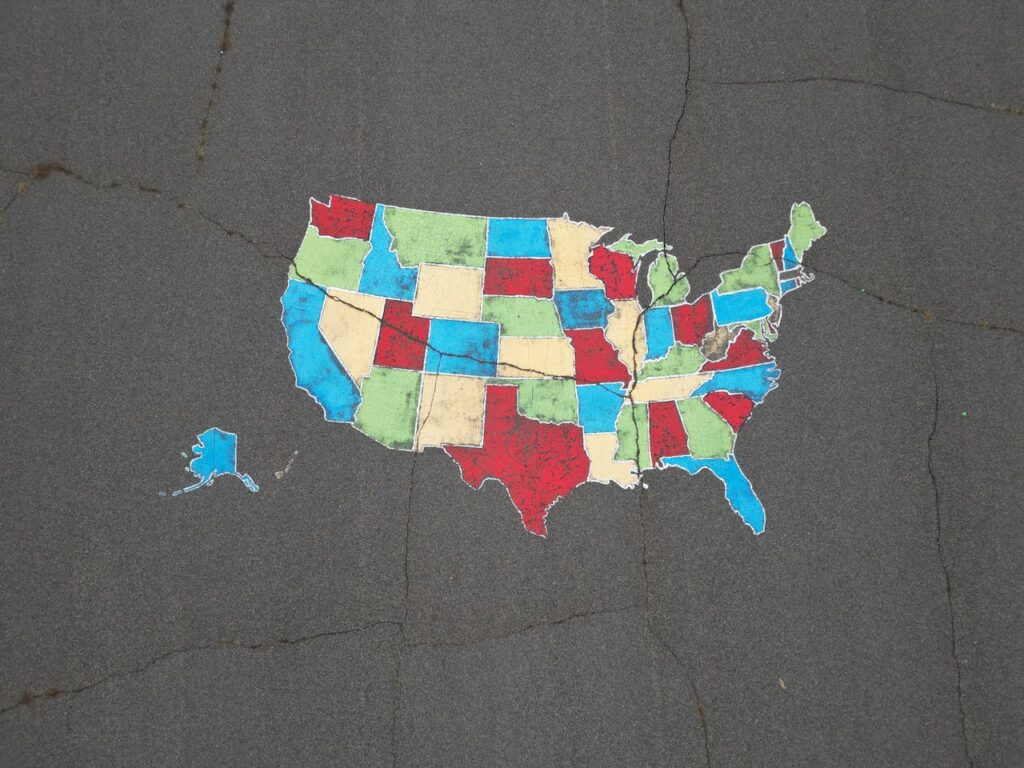
| State | Change | Effective Date | Summary |
| Maryland | Added data services, IT services, and software publishing to the taxable base. Eide Bailly+3Maryland Comptroller+3EY Tax News+3 | July 1, 2025 | The state now taxes a wide range of digital and technical services that were previously untaxed. |
| Washington | Passed ESSB 5814, which broadens “retail sale” to include many digital services/products. dor.wa.gov+1 | October 1, 2025 | Extends sales tax to streaming, advertising, cloud/SaaS, custom software, and IT services. |
These two states set the tone for the rest of the country: rather than lowering tax rates, they’re broadening the tax base to capture digital revenue streams.
States Considering or Proposing Similar Changes (2025 and Beyond)
| State | Bill / Proposal | Description | Status |
| Virginia | HB 1755 (2025) | Would apply sales & use tax to digital personal property and digital services. | Introduced; under committee review. |
| Illinois | Budget proposal to expand sales tax to 80+ service categories, including streaming and digital goods. | Being debated; not yet a digital sales tax law. | |
| California | No active bill yet, but officials are exploring options to tax SaaS and streaming to raise revenue. | On radar for 2026 session. |
Trend: Larger, high-revenue states are examining how to bring digital goods and subscription-based revenue under traditional sales-tax systems. Businesses that operate nationwide should monitor these proposals closely.
State Watch List for 2026
Several big states are already hinting at further expansions of sales tax to digital goods and services in 2026.
- California – Discussions continue around taxing SaaS, streaming, and other cloud-based services to shore up state revenue.
- New York – Lawmakers are reviewing whether SaaS and digital advertising should be fully taxable, following other states’ sales tax examples.
- Texas – The Comptroller’s office is evaluating clearer guidance on taxing “data processing” and remote-access software.
- Florida – Analysts expect proposals to align digital goods with tangible personal property for tax purposes.
- Virginia & Illinois – If bills don’t pass in 2025, expect broader legislative packages in 2026.
As more states modernize their systems, sales tax compliance concerning digital goods will become the rule, not the exception. Businesses selling SaaS, digital downloads, or online subscriptions should proactively review where their products fall under each state’s definitions — before those rules take effect.
Need Help Staying Compliant?
Navigating multi-state sales tax can be complex — especially as more states target digital revenue streams.
RJM Tax Exemption specialises in helping ecommerce and digital businesses stay compliant while minimising over-collection and audit risk.
Get expert guidance: Contact RJM Tax Exemption to review your nexus footprint, digital product classifications, and upcoming filing requirements.
















