
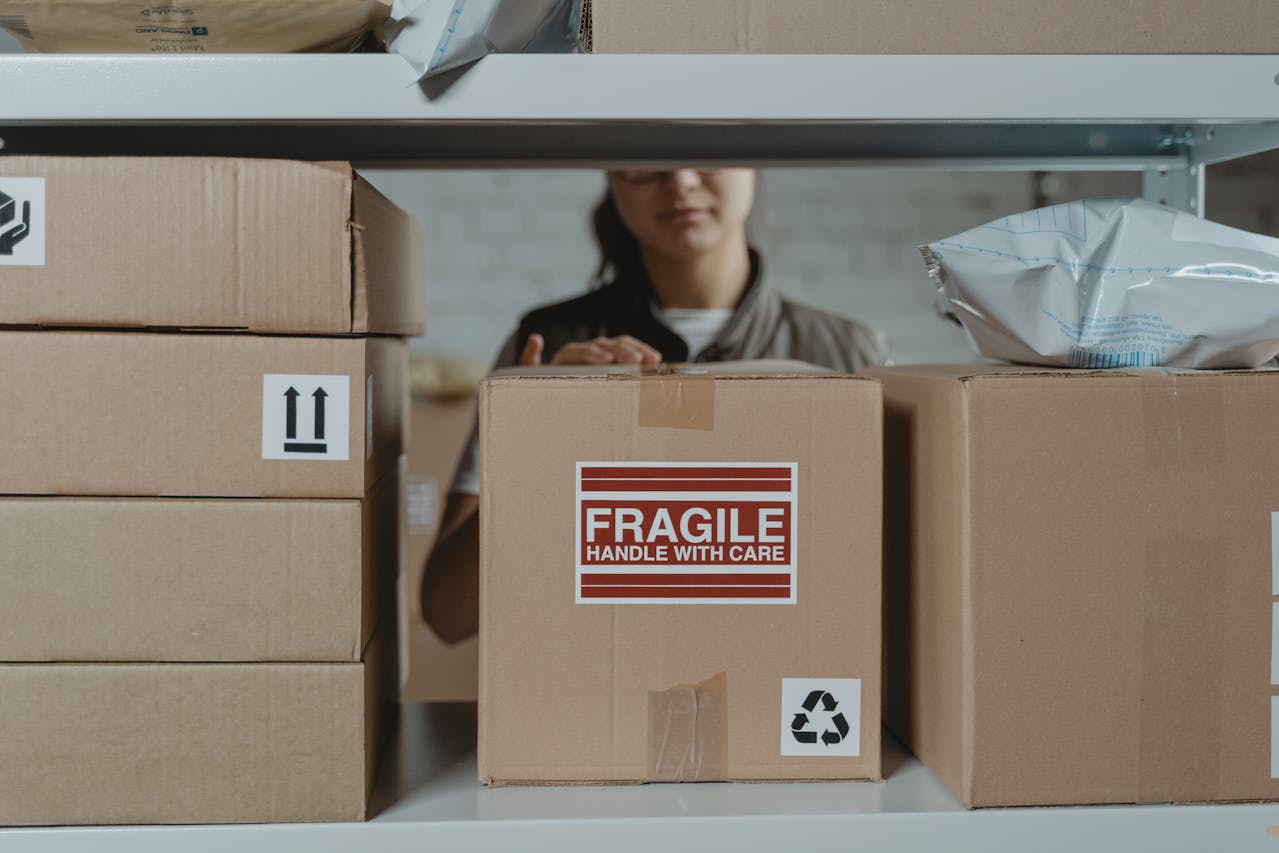
- Dropshipping can simplify online sales operations, but it’s not without its challenges
- Failing to successfully navigate dropship sales tax rules, understand who pays, and take advantage of resale exemptions can result in penalties and negatively impact your bottom line
- RJM Tax Exemption can offer guidance and solutions to help you manage sales tax on dropshipping
Dropshipping products to customers can make it easier to achieve ecommerce success, but it’s not without its complications. One serious concern you need to make sure you grasp is this: do you have to pay taxes on dropshipping?
Like most issues concerning business taxes, the answer can be complicated. Here, we’ll explore the process and the dropship sales tax rules that impact selling in this manner. We’ll also share how connecting with a trusted partner like RJM can help ensure you stay compliant with your sales tax obligations.
Dropshipping 101
Dropshipping is popular in ecommerce circles because sellers don’t need to stock or handle inventory directly. Operating this way offers several benefits, including:
- No upfront inventory costs
- Fewer logistical issues—no storing, packaging, or shipping goods
- The ability to operate from any location
With dropshipping, when you receive an order, you forward it to a third-party supplier, who then sends the products directly to your customer. You earn a profit on the difference between what the supplier charges you and what the customer pays.
Businesses can be entirely run as dropshipping enterprises, or a portion of their sales may be processed this way. While it is less complicated than a traditional operating method, tax compliance—especially managing sales tax on dropshipping—adds a layer of complexity.
Do You Have to Pay Taxes on Dropshipping?
So, that’s the big question on dropshipping: Do you have to pay taxes? The short answer is yes.
Income Tax
Just because you don’t handle inventory directly doesn’t exempt you from income taxes. Profits from a business that uses dropshipping are considered taxable income. Regardless of where your customers or suppliers are located, you’ll need to report your earnings to the IRS or your country’s tax authority.
Sales Tax
It gets a bit trickier when it comes to your state sales tax obligations. Sales tax on dropshipping depends on:
- Where you do business
- Where your customers live
- Where your suppliers are located
So the answer to “Do you have to pay taxes on dropshipping?” varies, and is governed by something called nexus.
Nexus: How Sales Tax on Dropshipping Works
First, it’s important to understand that sales tax obligations on dropshipping, like all ecommerce transactions, vary by state. Nexus is your connection to a state, and it dictates if and when you are required to collect and remit sales tax there.
Types of Nexus
Four primary types of nexus provide guidance in answering “Do you have to pay taxes on dropshipping?” They are:
- Physical Nexus: Having a physical location, employee, or inventory in a state.
- Economic Nexus: Reaching a certain threshold in sales or transactions in a state.
- Affiliate Nexus: Partnering with someone who promotes your business or refers customers in a particular state.
- Click-Through Nexus: Getting referrals through links (click-throughs) on websites based in a state.
If you meet one or more of these nexus criteria, even if you are located outside of the state(s) you sell in or you live outside of the U.S. altogether, you may still need to collect and remit sales tax on dropshipping.
Dropship Sales Tax Rules: Who Pays & Who Collects?
Because it’s a three-party setup, it can be confusing to determine who pays sales tax on dropshipping and who is responsible for collecting it. Here is a scenario that can help explain how it works:
- You, the seller, are located in Florida
- Your supplier is located in California and ships the order from there
- Your customer is located in New York, where the order is received
There are two answers to “Do you have to pay taxes on dropshipping?” in this situation:
- If you have nexus in New York, you must collect sales tax from the customer and remit it to the state.
- If you don’t have nexus in New York, but your dropshipper does, your dropshipper may be required to collect sales tax from you. (More on that below.)
When other states are involved, the answers can vary. In some circumstances, the customers themselves are responsible for paying what’s called a use tax.
Understanding all of these dropship sales tax rules is essential to avoid being double-taxed or running afoul of regulations. Using software to automate the process and working with a knowledgeable firm like RJM can relieve you from the burden of sorting all of these details out on your own.
Do You Have to Pay Sales Taxes on Dropshipping if You’re a Reseller?

It may have surprised you to learn that, as the seller of a dropshipped item, you might be on the hook for paying sales tax to your supplier. Fortunately, by obtaining sales tax exemption via a resale certificate, you can (in most circumstances) purchase products tax-free if you plan to resell them.
Note that suppliers aren’t always required to accept resale certificates from out-of-state sellers. You might have to register in the supplier’s state in order for your exemption to be valid.
Reseller tax exemption is a benefit you do not want to overlook. With some states charging up to 10% in sales tax, paying it on purchases you are dropshipping can be a serious drain on your profitability. It’s wise to file for sales tax exemption where applicable.
What if You Live in a State Without Sales Tax?
Even if you live in a state that has no sales tax or income tax, you aren’t exempt from collecting sales tax on dropshipping. If you sell to customers in states that do have sales tax and you meet nexus thresholds, you must still collect and remit tax in those states.
Do You Have to Pay Taxes on Dropshipping Internationally?
What if you sell to customers outside of the U.S., or you are based in another country? You may be subject to VAT in the European Union or GST in places like Canada and Australia. And regardless of where you live around the world, you might still trigger nexus and be governed by state dropship sales tax rules. It’s a lot to sort out without an expert team by your side.
Registering to Collect Sales Tax on Dropshipping
Once you’ve identified where you have nexus and that you have sales tax obligations, these are the steps you’ll take:
- Register for a sales tax permit in each applicable state.
- Collect sales tax from your customer at checkout, based on their location.
- File and remit sales tax on the schedule required by each state.
What to Watch Out For
This is a lot to keep track of, and there are some common mistakes many ecommerce sellers make when trying to manage sales tax. Sellers who use dropshipping run into problems with:
- Miscalculating economic nexus thresholds, especially when they sell across multiple platforms
- Ignoring other nexus triggers that require the collection of sales tax on dropshipping
- Paying sales tax to suppliers instead of using a resale certificate
- Collecting sales tax without being registered in a state
- Missing tax filing deadlines or failing to pay altogether
These mistakes can result in fines, audits, and revoked selling privileges. Without the guidance of someone who understands dropship sales tax rules, you may have trouble staying ahead of problems.
How to Get Help With Sales Tax on Dropshipping
As complex as all of this is, there are some valuable tools available to help you stay on top of it all. There is automated software that integrates with ecommerce platforms to track nexus and calculate your obligations. These can save you time and ensure accuracy.
If you aren’t sure where you have nexus, how to register for sales tax, and are still confused by the question, “Do you have to pay taxes on dropshipping?” then RJM can help. We specialize in helping ecommerce sellers stay compliant with dropship sales tax rules, from nexus analysis straight through to registering for and managing resale certificates and filing returns. We can even help you with other matters such as income tax filing.

Choose RJM
Tax complexity shouldn’t slow your business down. With effective and comprehensive tax services, you can grow your business while staying on the right side of the law. Reach out today for your FREE consultation, and learn how RJM can help you with sales tax on dropshipping and more.
















